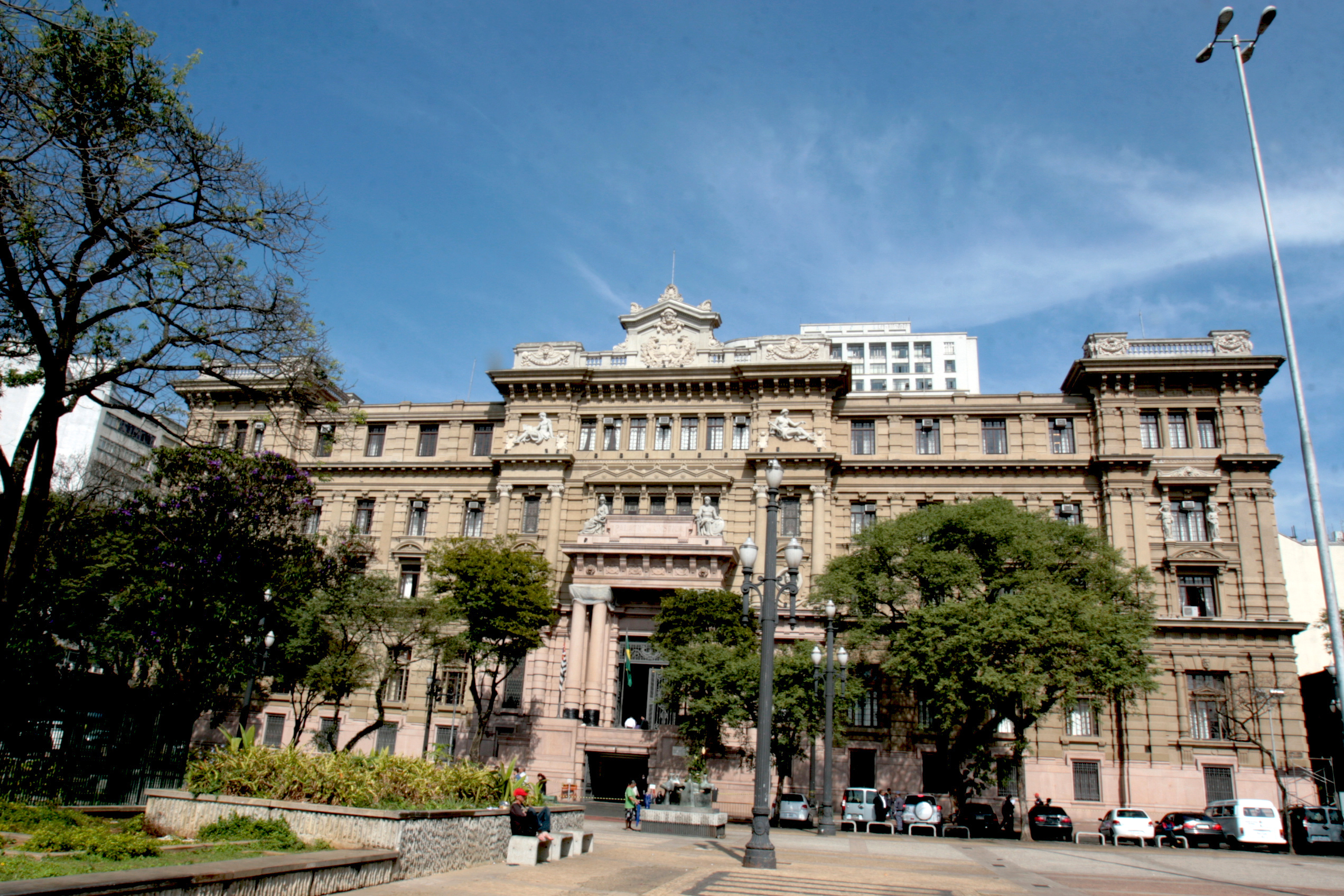
The São Paulo Court (Tribunal de Justiça do Estado de São Paulo, TJSP) has closed 34 judicial reorganization cases over the past thirteen months, between June 2025 and June 2026. Of this total, 15 companies attempted to benefit from the restructuring law without complying with its legal requirements.
Twelve of them failed to provide the basic documentation required to even initiate the proceeding, such as recent financial statements. Other reasons that led judges to dismiss the cases included insufficient operating history or debts that were not eligible for restructuring.
One of the restructuring law's key benefits is the suspension of all collection actions against a company for one year — the so-called "stay period." For indebted businesses, this offers essential financial relief, shielding their assets from creditors during the reorganization.
But some companies have distorted the purpose of this mechanism, seeking mainly asset protection without providing the required documentation or meeting the legal criteria to file for reorganization in the first place.
Together, these 15 companies wanted to restructure R$ 565 million in debt, roughly US$ 110 million. Most are located in the interior of São Paulo and the debt is concentrated in the construction and education sectors.
Source: Brazil's Official Judiciary Gazette and court records
One of the companies that filed for reorganization no longer operated, having dismissed all employees the day before filing. This was New Hammer Indústria e Comércio de Móveis, a furniture manufacturer based in Diadema, in the metropolitan region of São Paulo. It sought to restructure nearly R$ 2 million (approximately US$ 350,000) in debt.
The reorganization request was filed in March of this year. One month later, the company obtained a favorable court decision allowing it to enter reorganization, which suspended all collections. But after a court‑appointed expert review, it was found that the company no longer had any operations, leading the judge to reverse the initial decision and dismiss the case almost 30 days later.
In her ruling, the judge noted that judicial reorganization "presupposes the existence of business activity that is effectively carried out in a regular and continuous manner, and is not intended for the mere asset reorganization of an inactive debtor or the collective administration of liabilities without corresponding economic activity in operation."
The number of dismissed cases like this increased between the second half of 2025 and the first half of 2026.
Source: Official Gazette of the Judiciary
Another company that pursued a similar strategy was Instituto Santanense de Ensino Superior. It holds the largest liability among the 15 companies, with more than R$230 million (about US$42 million) in debt. The institute filed for judicial reorganization without meeting the law's requirement of at least two years of business activity.
Although it had been operating since the 1960s, Santanense was a nonprofit — a legal structure not covered by the law. It even changed its legal status to a for-profit business entity shortly before filing for reorganization, but because it had not operated long enough under that new status, the court ruled it lacked standing to file.
Judicial reorganization is a step before bankruptcy. Through it, a company may renegotiate its debt with creditors, extending payment deadlines and applying discounts to the original debt if creditors approve the restructuring plan.